
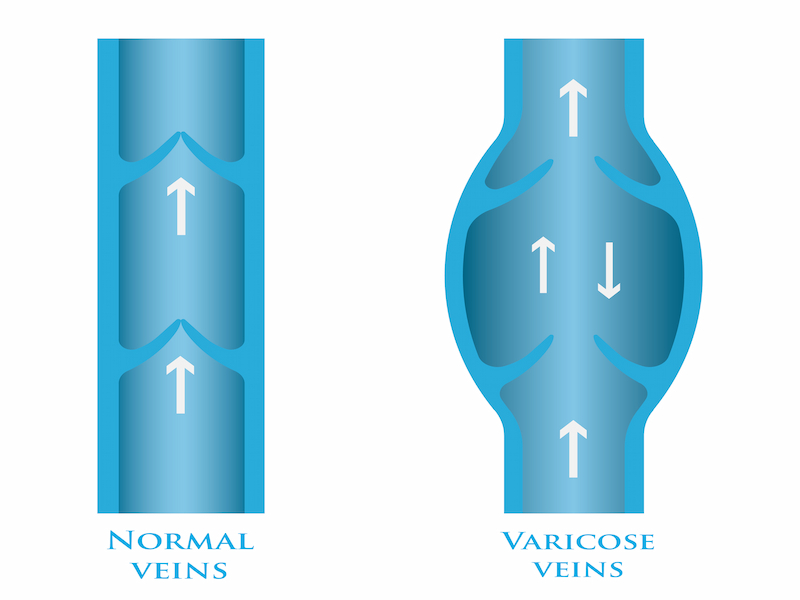
MOCA (Mechanochemical Ablation) is a modern non-thermal technique for treating varicose veins that combines two actions in one: a rotating catheter tip mechanically irritates the vein wall while a sclerosant medication is delivered at the same time. Together they close the faulty vein without using heat. At Vericure Clinic, Dr. Vishal Jindal offers MOCA as a comfortable, quick option that avoids the need for heat-related anaesthesia along the vein.
How MOCA Works
A rotating catheter combined with a sclerosing agent closes the diseased vein without thermal energy.
- Mechanical + Chemical
- No Heat Required
Why It's Different
Because there is no heat, there is no risk of thermal nerve injury and no need for multiple tumescent injections.
- No Thermal Injury
- Minimal Anaesthesia
Why Choose This Treatment
MOCA is a great choice for patients who want an effective, non-thermal treatment with a quick procedure time and comfortable recovery, especially where heat-based methods may not be ideal.

Single Puncture
The whole treatment is delivered through one small access point.

Fast Procedure
MOCA is typically quick, with most patients back to routine rapidly.

Comfortable Experience
No heat and minimal injections make the procedure well tolerated.
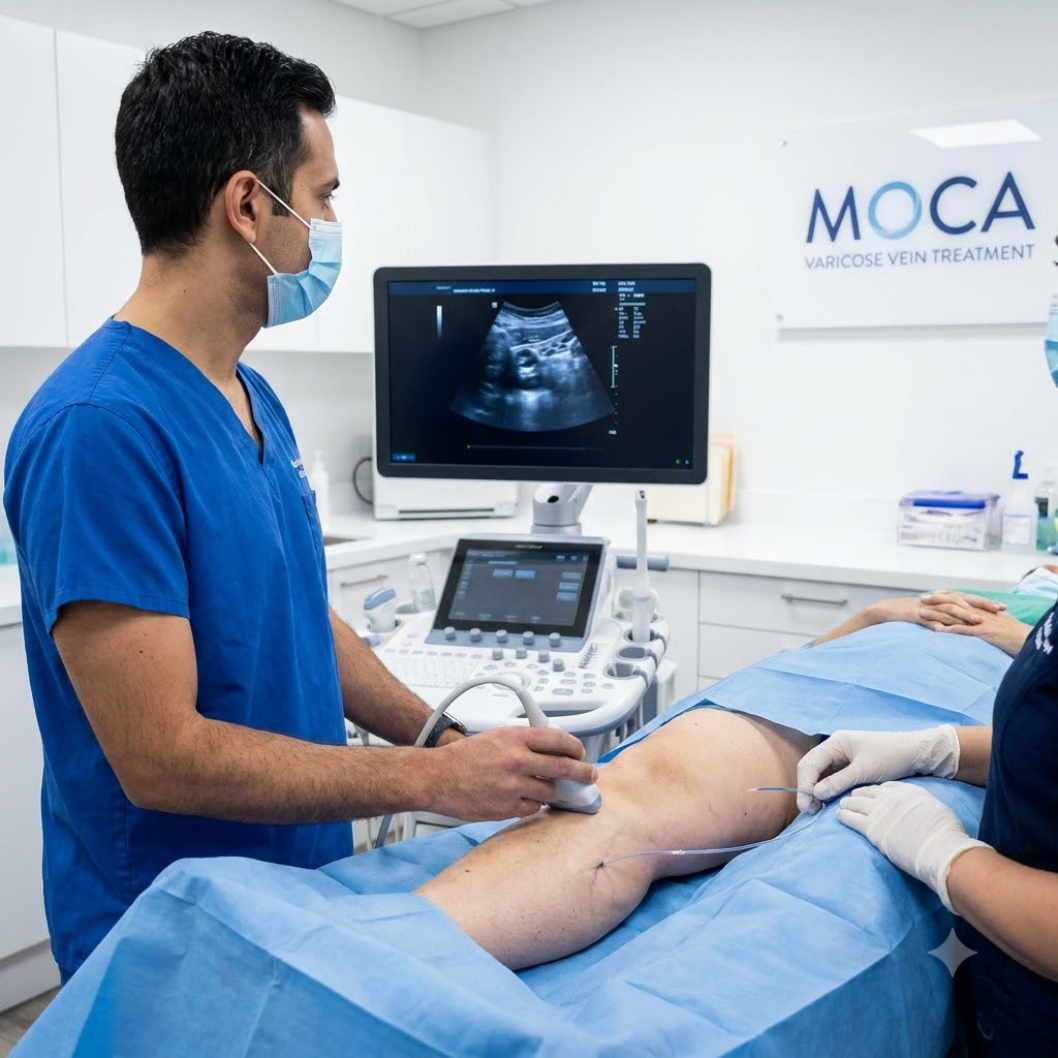
Non-thermal closure with quick recovery
The purpose of MOCA is to seal the refluxing vein safely and comfortably without heat, offering effective results with a fast, easy recovery for suitable patients.

Dedicated care for every patient.
We carefully evaluate whether MOCA suits your vein anatomy and symptoms, then perform the treatment with precision and guide you through a simple recovery.
- Advanced non-thermal technique
- Quick, single-access procedure
- No heat-related nerve injury risk
- Personalised suitability assessment
Frequently asked questions
MOCA uses a rotating catheter and medication instead of heat, so it avoids thermal energy and the injections needed to protect surrounding tissue.
It is generally well tolerated. Without heat, there is no need for multiple numbing injections along the vein, making it comfortable.
Recovery is usually quick, with most patients returning to normal daily activities shortly after the procedure.
It suits many patients, but the right choice depends on your Doppler findings. Your specialist will recommend the best option.
No. MOCA is performed through a small puncture, so there are no surgical cuts or stitches involved.